Cacao and Cocoa Difference: Understanding the Journey from Bean to Powder
Learn the cacao and cocoa difference, including how they're processed, their flavor, nutrition, and the best uses for baking, beverages, and chocolate.
ARTICLE
7/24/20264 min read
If you've ever shopped for chocolate products or browsed health food stores, you've probably come across the terms cacao and cocoa. While many people use these words interchangeably, they are not exactly the same. Understanding the cacao and cocoa difference can help consumers, bakers, manufacturers, and chocolate enthusiasts make better decisions when selecting ingredients.
Although both originate from the same cacao tree (Theobroma cacao), the way they are processed, their flavor profiles, and their common uses differ significantly. This article explains the cacao and cocoa difference in detail, from harvesting to processing and practical applications.
What Is Cacao?
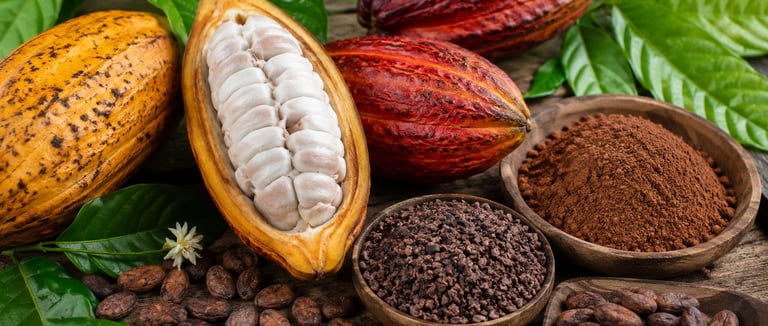
Cacao refers to the raw form of the cacao bean before it undergoes high-temperature processing. The beans are harvested from cacao pods, fermented, dried, and then processed into products such as cacao nibs, cacao paste, and cacao powder using minimal heat.
Because of this gentle processing, cacao products generally retain more of their naturally occurring compounds, including flavonoids and antioxidants. As a result, cacao is often associated with health-conscious recipes and minimally processed foods.
The flavor of cacao is typically more intense, slightly bitter, and earthy compared to cocoa.
What Is Cocoa?
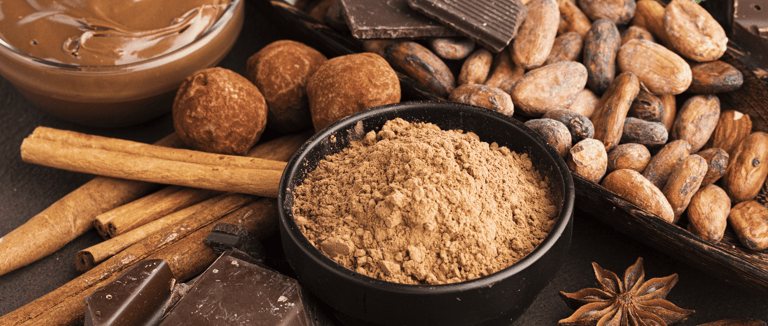
Cocoa is produced from cacao beans that have been roasted before being processed into powder, butter, or chocolate ingredients. Roasting develops a smoother flavor and richer aroma while reducing the natural bitterness found in raw cacao.
After roasting, the beans are ground into cocoa liquor, which is then separated into cocoa butter and cocoa solids. The cocoa solids are milled into the familiar cocoa powder used in baking, beverages, confectionery, and food manufacturing.
The roasting process gives cocoa its characteristic chocolate flavor, making it the preferred ingredient for many commercial food applications.
The Cacao and Cocoa Difference
The most significant cacao and cocoa difference lies in the processing method.
Cacao products undergo minimal processing and are generally exposed to lower temperatures. This helps preserve more naturally occurring nutrients and antioxidants. Cocoa products, on the other hand, are roasted to develop flavor, aroma, and color, making them more suitable for a wide variety of culinary applications.
Another notable difference is taste. Cacao has a stronger, more bitter profile with fruity and earthy notes, while cocoa delivers a smoother, milder, and more familiar chocolate flavor that most consumers recognize.
Texture also varies slightly. Cacao powder is often lighter and less processed, whereas cocoa powder has a finer consistency that blends more easily into recipes.
Nutritional Differences
When discussing the cacao and cocoa difference, nutrition is often one of the first topics mentioned.
Both cacao and cocoa naturally contain beneficial nutrients such as magnesium, iron, potassium, fiber, and plant-based antioxidants. However, because cacao undergoes less processing, it may retain slightly higher levels of certain antioxidants.
It's important to note that the nutritional differences between high-quality cacao and cocoa are generally smaller than many people assume. Both can be part of a balanced diet when consumed in moderation and without excessive added sugar.
Which One Is Better for Baking?
For baking, cocoa is generally the preferred choice.
Its milder flavor, darker color, and consistent performance make it suitable for cakes, cookies, brownies, muffins, and other baked goods. Cocoa also dissolves more easily in liquids, making it a popular ingredient for hot chocolate and chocolate beverages.
Cacao powder can certainly be used in baking, but its stronger flavor may produce a different taste than traditional recipes are designed for.
Which One Is Better for Smoothies?
Many people prefer cacao powder for smoothies because it provides a rich chocolate flavor while maintaining its minimally processed characteristics.
Cacao pairs well with bananas, berries, oats, almond milk, peanut butter, and other nutritious ingredients, making it a popular choice for breakfast drinks and protein shakes.
However, cocoa powder also works well in smoothies for those who prefer a smoother and less bitter chocolate taste.
Is Cacao Healthier Than Cocoa?
One common misconception surrounding the cacao and cocoa difference is that cocoa is unhealthy.
In reality, both cacao and cocoa come from the same bean and both contain valuable nutrients. While cacao may retain slightly more antioxidants because of lower-temperature processing, cocoa remains a nutritious ingredient, particularly when choosing unsweetened varieties.
The overall health impact depends far more on the finished product. For example, a dark chocolate bar with minimal added sugar may be a healthier choice than a highly processed chocolate product containing excessive sugar and fats, regardless of whether it uses cacao or cocoa.
Common Uses of Cacao and Cocoa
Although they share the same origin, cacao and cocoa are often used in different ways.
Cacao is commonly found in raw desserts, smoothie bowls, homemade energy bites, protein shakes, and health-focused recipes where minimal processing is preferred.
Cocoa is widely used throughout the food and beverage industry for producing chocolate bars, biscuits, cakes, ice cream, breakfast cereals, bakery products, dairy products, flavored beverages, and confectionery. Its balanced flavor and reliable performance make it the industry standard for commercial manufacturing.
Why the Terminology Can Be Confusing
One reason the cacao and cocoa difference often causes confusion is that there is no universal legal definition separating the two terms in every country.
Some manufacturers use "cacao" primarily for marketing purposes to emphasize natural or minimally processed products, while others continue using "cocoa" regardless of processing methods. As a result, consumers should always read product descriptions and ingredient information rather than relying solely on the product name.
Understanding how the ingredient was processed provides much more useful information than simply looking at the label.
Final Thoughts
Understanding the cacao and cocoa difference is easier once you realize that both originate from the same cacao bean. The main distinction lies in how the beans are processed after harvesting.
Cacao is generally less processed and retains more of its natural characteristics, while cocoa is roasted to develop the rich chocolate flavor that people around the world know and enjoy. Neither ingredient is inherently better than the other; each serves a different purpose depending on the desired flavor, nutritional preferences, and intended application.
Whether you're preparing homemade smoothies, baking desserts, or manufacturing chocolate products, understanding the cacao and cocoa difference allows you to choose the ingredient that best fits your needs.


Cocoa Prime
Committed to bring the finest
Indonesian Cocoa to the world
Copyright © 2026 Cocoa Prime
Contact us:
Jl. Letnan Sutopo, Serpong, Tangerang
PHONE: +62-881-0104-79948