Dark Cocoa Powder: Benefits, Uses, and Buying Guide
A complete guide to dark cocoa powder: benefits, production process, uses in food & beverage, and how to find a reliable supplier.
ARTICLE
7/27/20266 min read
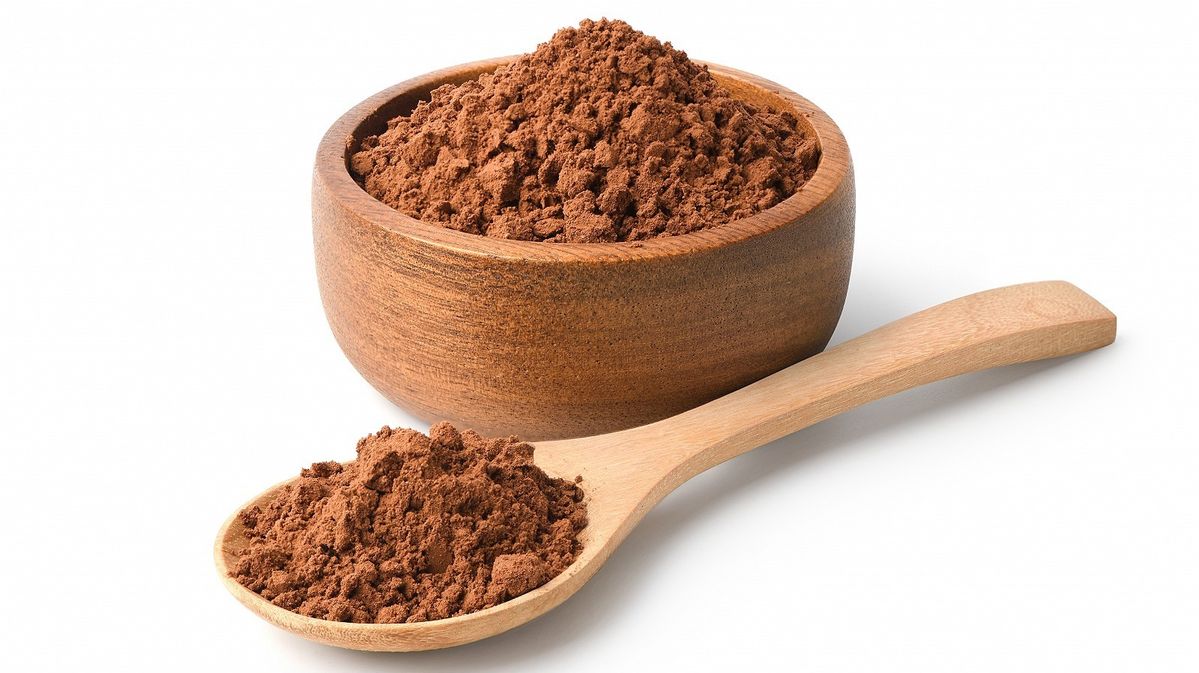
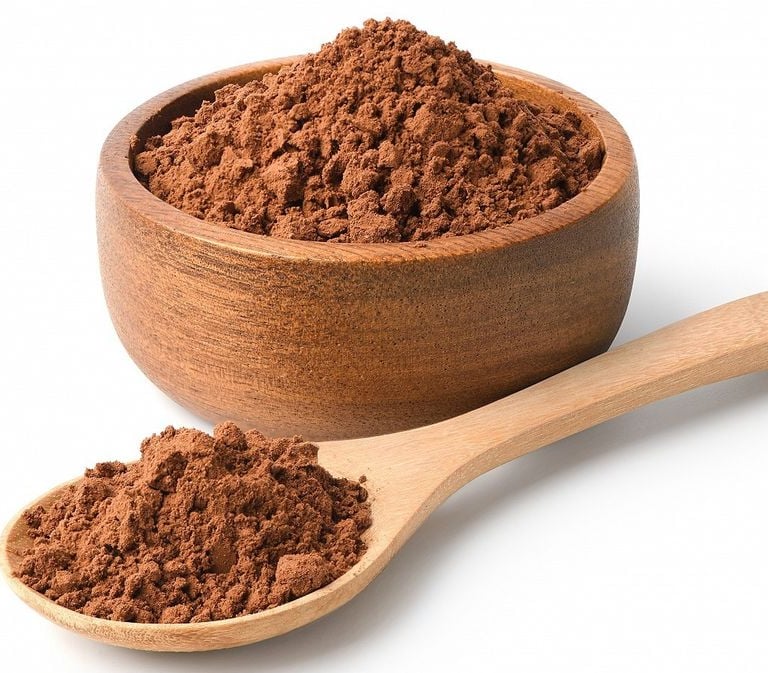
Dark cocoa powder has become increasingly popular among food manufacturers, cafe owners, and F&B businesses looking to bring a more intense chocolate flavor and a deeper, richer color to their products. Compared to regular cocoa powder, dark cocoa powder offers a bolder, slightly bitter flavor profile along with a much darker color, making it well suited for premium culinary applications.
This article covers everything you need to know about dark cocoa powder, including what it is, how it's made, how it differs from natural cocoa powder, its benefits, its common applications, and how to choose a reliable supplier.
What Is Dark Cocoa Powder?
Dark cocoa powder is a type of cocoa powder produced from cocoa beans that have undergone a higher degree of alkalization, also known as Dutch processing, compared to standard cocoa powder. This process gives the powder a much darker color, ranging from deep brown to almost black, along with a smoother, less acidic flavor than natural cocoa powder.
Dark cocoa powder is widely used in products such as Oreo-style cookies, premium brownies, dark chocolate ice cream, and high-end chocolate beverages, thanks to its distinctive color and more complex flavor.
How Is Dark Cocoa Powder Made?
The production of dark cocoa powder generally follows the same stages as standard cocoa powder production. It begins with the fermentation and drying of fresh cocoa beans to develop their base aroma and flavor. The beans are then roasted to bring out their signature chocolate aroma and reduce moisture content, after which the husks are removed through a process called winnowing, leaving behind pure cocoa nibs.
The stage that most defines the character of dark cocoa powder is alkalization, in which cocoa nibs or cocoa mass are treated with an alkaline solution, typically potassium carbonate, to neutralize the natural acidity of cocoa. To produce dark cocoa powder, a significantly higher level of alkalization is applied compared to regular cocoa powder, resulting in a much darker color. After alkalization, the cocoa mass is pressed to separate the cocoa butter from the cocoa solids, and the remaining cocoa cake is finely ground into the finished powder. Generally, the higher the level of alkalization applied, the darker the resulting powder and the milder its acidity.
Dark Cocoa Powder vs Natural Cocoa Powder
The most fundamental difference between dark cocoa powder and natural cocoa powder lies in the alkalization process. Dark cocoa powder goes through intensive Dutch processing, while natural cocoa powder is not treated with alkali at all and remains closer to its pure, unprocessed form. This difference directly affects color, with dark cocoa powder appearing deep brown to nearly black, while natural cocoa powder has a lighter, reddish-brown hue.
In terms of flavor, dark cocoa powder tends to be smoother, less acidic, and more complex in its bitterness, whereas natural cocoa powder has a sharper, more acidic taste closer to raw chocolate. This difference is also reflected in acidity levels, with dark cocoa powder being closer to neutral or slightly alkaline, while natural cocoa powder remains distinctly acidic.
This distinction matters in recipes, since natural cocoa powder reacts with baking soda to help baked goods rise, while the more neutral dark cocoa powder requires baking powder instead to achieve proper leavening. In terms of application, dark cocoa powder is more commonly chosen for premium products and deep, dark-colored baked goods, while natural cocoa powder remains popular for traditional recipes that rely on an acid-base reaction.
Benefits of Dark Cocoa Powder
One of the main appeals of dark cocoa powder is its striking visual impact. Its deep, dark color gives products such as cakes, ice cream, and chocolate beverages a premium look, helping brands stand out from competitors on the market.
Beyond its appearance, dark cocoa powder also offers a smoother, less acidic flavor thanks to the alkalization process, which reduces cocoa's natural acidity. Like regular cocoa powder, dark cocoa powder still contains flavonoid antioxidants, though the alkalization process may slightly reduce their levels compared to natural cocoa powder. Its more stable flavor profile also makes dark cocoa powder a solid choice for products that require flavor consistency across large-scale production runs.
Its relatively neutral nature also makes dark cocoa powder more flexible in recipe formulation, since it blends easily with other ingredients without significantly disrupting the acid-base balance of a batter, as long as baking powder use is adjusted accordingly. This flexibility makes it suitable across a wide range of product segments, from premium desserts and trendy beverages to dark chocolate bars.
Common Applications of Dark Cocoa Powder
In premium baking and pastry, dark cocoa powder is commonly used to make brownies, deep black cookies, red velvet cake for color contrast, and black forest cake. In the world of frozen desserts, it's also a go-to ingredient for ice cream, delivering both its signature dark color and a deeper chocolate flavor.
In beverages, dark cocoa powder is used to make premium hot chocolate and iced chocolate drinks and as an ingredient in trendy drinks such as dalgona chocolate. In processed chocolate products, it's also used to make chocolate bars, chocolate sauce, and fillings for various types of pastries.
Beyond its use by biscuit factories and large-scale food manufacturers for products like dark sandwich cookies, dark cocoa powder is now increasingly adopted by small and medium-sized home bakery businesses looking to create products with a distinctive color and flavor edge.
How to Choose a Reliable Dark Cocoa Powder Supplier
Choosing the right dark cocoa powder supplier is essential, especially for businesses that need a large and consistent supply. The first step is making sure the supplier holds clear certifications and legal compliance, such as HACCP, halal, or relevant ISO standards for the food industry.
Raw material quality and consistency are also important factors to consider, so it's worth looking into the origin of the cocoa beans used and how the supplier maintains consistency from one batch to the next. A trustworthy supplier will typically also provide clear technical specifications, covering fat content, pH level, color, particle fineness, and moisture content.
Beyond quality, it's important to confirm that the supplier has sufficient production capacity and stock availability to meet demand on an ongoing basis, particularly for large-scale production needs. A supplier's reputation and industry experience are also worth considering, which can be assessed through their track record, customer testimonials, and how long they've been operating in the field.
Support services such as product samples, technical assistance, and packaging flexibility tailored to business needs, whether bulk packaging for industrial use or smaller packaging for small businesses, are also valuable indicators of a good supplier. Finally, while competitive pricing matters, quality and consistency should remain the top priority rather than simply choosing the cheapest option.
Frequently Asked Questions
What is the main difference between dark cocoa powder and regular cocoa powder? The main difference lies in the level of alkalization. Dark cocoa powder undergoes a higher degree of alkalization, giving it a darker color and a smoother flavor compared to regular cocoa powder.
Is dark cocoa powder the same as black cocoa powder? The two are similar, but black cocoa powder is typically alkalized even more intensely, resulting in an almost pure black color and a milder flavor compared to standard dark cocoa powder.
Can dark cocoa powder replace regular cocoa powder in a recipe? Yes, but it requires adjusting the leavening agent used. Since dark cocoa powder is more neutral, it's best paired with baking powder rather than baking soda to ensure proper rising.
How long does cocoa powder last? When stored properly, in an airtight container, in a cool, dry place away from direct sunlight, dark cocoa powder can typically last two to three years past its production date. While it doesn't technically "spoil" like fresh ingredients, its flavor and aroma quality can decline over time, especially with prolonged exposure to moisture or air.
Is dark cocoa powder suitable for sugar-free or specific diet products? Yes, pure dark cocoa powder generally contains no added sugar, making it suitable for low-sugar, keto, or other diet-specific formulations, as long as it isn't mixed with other additives during production.
How can you tell if dark cocoa powder is good quality? Good quality dark cocoa powder is usually recognizable by its evenly dark color, a strong, clean chocolate aroma free of any rancid smell, and a fine, lump-free texture. To be sure of its quality, it's also worth requesting technical specification data from the supplier as a guarantee of product standards.
Looking to source premium bulk dark cocoa powder for your factory? Check out our complete cocoa powder products to discover our full lineup of natural cocoa powder, alkalized cocoa powder, cocoa butter, and cocoa mass. Curious about where your cocoa beans actually come from? Explore our Indonesian Cocoa Production & Sourcing Guide for a closer look at how Indonesian cocoa is grown, processed, and sourced.


Cocoa Prime
Committed to bring the finest
Indonesian Cocoa to the world
Copyright © 2026 Cocoa Prime
Contact us:
Jl. Letnan Sutopo, Serpong, Tangerang
PHONE: +62-881-0104-79948