Indonesia Cocoa Ingredients Market: Trends and IICC 2026
Explore the Indonesia Cocoa Ingredients Market, including cocoa butter, powder and liquor, industry trends, supply challenges, and key insights from IICC 2026.
Administrator
10/27/20267 min read
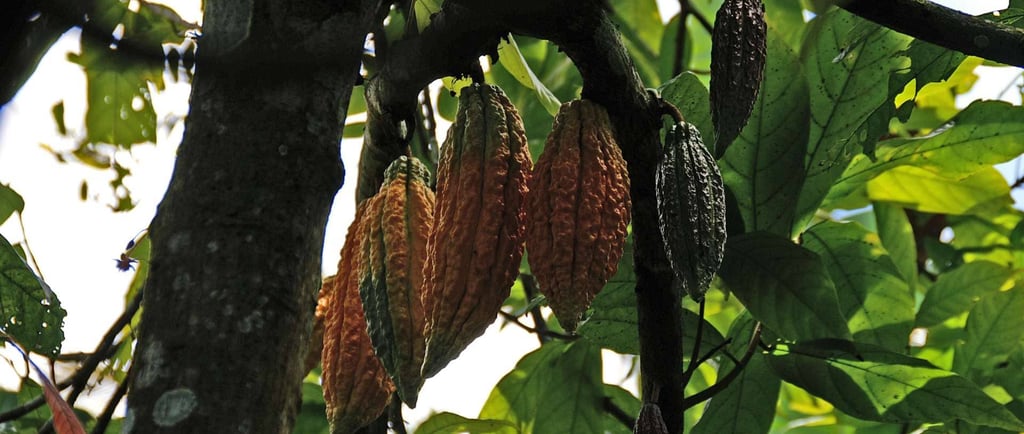
Indonesia Cocoa Ingredients Market: Opportunities, Industry Trends, and Insights from IICC 2026
Indonesia is strengthening its position in the global cocoa industry, supported by an established processing sector, growing demand for value-added cocoa products, and renewed efforts to improve domestic cocoa production. For international buyers, food manufacturers, and confectionery companies, the Indonesia Cocoa Ingredients Market offers opportunities to explore sourcing partnerships and diversify their supply chains.
The country's strategic location in Southeast Asia, existing cocoa-processing infrastructure, and access to regional markets make it an important participant in the global cocoa and chocolate supply chain. However, raw material availability, price volatility, and sustainability requirements remain important considerations for businesses looking to source cocoa ingredients from Indonesia.
Recent developments, including the Indonesia International Cocoa Conference (IICC) 2026, have brought these opportunities and challenges into sharper focus.
1. Understanding the Indonesia Cocoa Ingredients Market
Indonesia's cocoa industry encompasses several stages of the value chain, from cocoa cultivation and bean trading to industrial processing and the manufacture of cocoa-derived ingredients.
For food manufacturers and chocolate producers, the most relevant products include:
Cocoa beans: The primary raw material used in cocoa processing and chocolate manufacturing.
Cocoa liquor: Also known as cocoa mass, this is produced by grinding roasted cocoa nibs and serves as a base for chocolate and other cocoa products.
Cocoa butter: The natural fat extracted from cocoa liquor, widely used in chocolate, confectionery, cosmetics, and personal care products.
Cocoa powder: Produced from cocoa solids after part of the cocoa butter has been removed, this ingredient is used in beverages, bakery products, desserts, and other food applications.
These ingredients serve diverse industries, including confectionery, bakery, dairy, beverages, and food manufacturing. Their specifications and required processing characteristics vary depending on the application.
Indonesia's established processing capabilities offer international buyers an opportunity to source processed cocoa ingredients rather than relying exclusively on raw cocoa beans.
2. Indonesia's Growing Role in Global Cocoa Processing
One of the most significant developments in the Indonesia Cocoa Ingredients Market is the country's growing importance as a cocoa-processing hub.
According to reporting by ANTARA News on July 24, 2026, Indonesia accounted for approximately 49% of Asia's cocoa-processing volume. National cocoa grinding reached 110,410 tonnes in the second quarter of 2026, representing a 30.1% increase compared with the 84,844 tonnes recorded in the first quarter. Production of processed cocoa products also increased by 8.2% quarter-on-quarter.
These figures highlight the importance of Indonesia's downstream cocoa industry and its potential role in supplying processed ingredients to international markets.
The Indonesian government has continued to emphasize industrial downstreaming, with priorities that include strengthening processing capabilities, improving human resources, developing farmer-industry partnerships, enhancing quality standards, and adopting sustainable production practices.
For international buyers, this development creates opportunities to evaluate Indonesian suppliers of cocoa butter, cocoa powder, cocoa liquor, and other cocoa-derived ingredients.
However, processing growth alone does not guarantee abundant raw material availability. The long-term competitiveness of the sector will also depend on domestic agricultural productivity, reliable sourcing, and effective supply-chain management.
Source: ANTARA News — Indonesia becomes Asia's cocoa processing leader with 49 percent share.
3. Indonesia International Cocoa Conference 2026: Key Industry Developments
The 9th Indonesia International Cocoa Conference and Dinner took place on July 22–24, 2026, at Hotel Tentrem in Yogyakarta, under the theme “The Rise of Indonesian Cocoa: The Pearl of Asia for the World.”
Organized by the Indonesian Cocoa Association (ASKINDO), the conference brought together stakeholders across the cocoa value chain to discuss the industry's strategic direction, market opportunities, and sustainability challenges.
The discussions were particularly relevant to the future of the Indonesia Cocoa Ingredients Market, focusing on five major areas.
Strengthening cooperation between government and industry
The conference emphasized the importance of collaboration between public institutions, cocoa processors, farmers, research organizations, and other industry participants.
Closer coordination can help address raw material supply constraints, improve agricultural productivity, and strengthen the connections between cocoa plantations and processing facilities.
For ingredient buyers, stronger coordination across the value chain may contribute to more reliable sourcing arrangements over time.
Expanding global market access
Another key topic was the changing dynamics of global cocoa supply and demand.
Indonesia's processing industry is positioned to serve customers in international markets, but suppliers must remain responsive to changing product specifications, quality expectations, pricing conditions, and regulatory requirements.
Building stronger international partnerships will therefore be essential to sustaining the competitiveness of Indonesian cocoa ingredients.
Improving sustainability and supply-chain resilience
Sustainability was another central theme at IICC 2026, including responsible production, carbon markets, and innovation.
For international food manufacturers, sustainable sourcing and supply-chain transparency are increasingly important considerations. Suppliers that can demonstrate appropriate quality controls, traceability, and responsible sourcing practices may be better positioned to meet buyers' requirements.
Investing in farmers and agricultural productivity
The conference also highlighted the importance of empowering farmers, women, and young people, alongside improved financing and agricultural innovation.
This is particularly important because the long-term competitiveness of Indonesia's processing sector depends on a dependable supply of quality cocoa beans.
Supporting research and long-term development
Research and innovation were identified as important foundations for the future of the industry.
Improvements in cultivation, fermentation, post-harvest handling, and processing technology can contribute to better ingredient quality and more efficient production throughout the value chain.
Further information is available from the official Indonesia International Cocoa Conference website.
4. Market Opportunities for Cocoa Ingredient Buyers
The developments discussed at IICC 2026 highlight several areas of potential interest for international buyers and food manufacturers.
Cocoa butter for chocolate and confectionery
Cocoa butter is a critical ingredient in chocolate manufacturing, contributing to melting characteristics, texture, and product quality. Buyers can explore Indonesian suppliers based on required specifications, processing standards, and supply capabilities.
Cocoa powder for food and beverage applications
Cocoa powder is widely used in bakery products, beverages, ice cream, dairy products, and desserts. Manufacturers can assess suppliers according to fat content, color, flavor profile, microbiological specifications, and intended application.
Cocoa liquor for industrial chocolate production
Cocoa liquor provides a foundation for chocolate formulations and can be relevant for manufacturers seeking industrial cocoa inputs. Sourcing decisions may depend on bean origin, flavor characteristics, processing requirements, and consistency between shipments.
Long-term supplier relationships
For businesses purchasing cocoa ingredients in commercial quantities, supplier reliability is often as important as price. Buyers should assess production capacity, quality assurance systems, export experience, documentation, and the ability to maintain agreed specifications across repeated orders.
These opportunities are not guarantees of lower prices or uninterrupted availability. Buyers should conduct appropriate supplier due diligence and compare offers according to product specifications, delivery terms, and total landed cost.
5. Challenges Facing the Indonesia Cocoa Ingredients Market
Despite its strong processing position, Indonesia faces structural challenges that could affect the availability and competitiveness of cocoa ingredients.
Domestic cocoa production and raw material availability
On September 11, 2026, ANTARA News reported that the Indonesian government was accelerating efforts to rejuvenate smallholder cocoa plantations and expand cultivation to improve productivity and strengthen downstream processing.
The report highlighted aging trees and low plantation productivity as key concerns. It also noted that Indonesia's 11 commercial cocoa-processing plants had a combined capacity of approximately 700,000 tonnes, while raw material shortages were constraining utilization.
This illustrates an important distinction: Indonesia can have substantial cocoa-processing infrastructure while still facing challenges in securing enough domestically produced beans.
For buyers, raw material availability should therefore remain a central consideration when evaluating suppliers and planning procurement schedules.
Global price volatility
International cocoa prices can be influenced by weather conditions, harvest performance in major producing countries, inventory levels, and changes in global demand.
Price movements affect both bean procurement and the cost of processed ingredients. Businesses may need flexible purchasing strategies, transparent pricing mechanisms, and regular communication with suppliers to manage this exposure.
Quality and sustainability requirements
International markets may impose demanding expectations for product quality, food safety, traceability, and sustainability.
Exporters and processors must understand the requirements of each destination market and ensure that the relevant documentation and verification processes are in place.
These challenges also create opportunities for businesses that invest in quality management, responsible sourcing, and long-term supply-chain relationships.
Source: ANTARA News — Indonesia revamps cocoa sector to boost yields, downstreaming.
6. What International Buyers Should Consider When Sourcing from Indonesia
For companies evaluating the Indonesia Cocoa Ingredients Market, choosing a supplier requires more than comparing quoted prices.
Important considerations include:
Product specifications: Confirm the required grade, fat content, flavor profile, packaging, and applicable food-safety standards.
Supply capability: Understand the supplier's actual production capacity, sourcing arrangements, lead times, and ability to fulfill repeat orders.
Quality assurance: Review product specifications, certificates of analysis, relevant certifications, and quality-control procedures.
Commercial terms: Evaluate payment methods, delivery terms, shipment schedules, insurance, and contractual responsibilities.
Traceability and sustainability: Establish what information and supporting documentation are available for the product and its supply chain.
Supplier verification: Check the company's legal identity, operating history, references, and export experience before committing to significant orders.
Where possible, buyers should request representative samples, verify product documentation, and establish clear acceptance criteria before entering into large-volume supply agreements.
A structured procurement process can help businesses manage risks while building reliable relationships with Indonesian cocoa ingredient suppliers.
7. The Future Outlook for the Indonesia Cocoa Ingredients Market
The Indonesia Cocoa Ingredients Market stands at an important stage of development. The country has an established processing industry, a strategic position in Asian trade, and opportunities to expand its role in supplying value-added cocoa products to international customers.
The outcomes and discussions of IICC 2026 reinforce several priorities for the industry's future: improving plantation productivity, strengthening cooperation between farmers and processors, expanding international market access, investing in innovation, and advancing sustainable production.
At the same time, the sector's future performance will depend on how effectively Indonesia addresses raw material constraints and adapts to global market volatility.
For international buyers, Indonesia deserves consideration as a potential sourcing destination for cocoa liquor, cocoa butter, cocoa powder, and other cocoa-derived ingredients. Careful supplier assessment, transparent commercial arrangements, and consistent quality verification remain essential to turning that potential into successful long-term business relationships.
Conclusion
The Indonesia Cocoa Ingredients Market offers opportunities for manufacturers, traders, and international food businesses seeking to participate in the global cocoa supply chain.
Recent developments, particularly Indonesia's strong second-quarter 2026 grinding performance and the discussions at the Indonesia International Cocoa Conference 2026, demonstrate the importance of downstream processing, agricultural productivity, sustainability, and international cooperation.
As Indonesia continues to develop its cocoa industry, its ability to connect reliable raw material sourcing with competitive, high-quality processing will be crucial to its long-term success.
For businesses exploring new cocoa ingredient suppliers, understanding these market developments is a useful first step toward identifying suitable sourcing opportunities in Indonesia.


Cocoa Prime
Committed to bring the finest
Indonesian Cocoa to the world
Copyright © 2026 Cocoa Prime
Contact us:
Jl. Letnan Sutopo, Serpong, Tangerang
PHONE: +62-881-0104-79948