Understanding the Global Potential of Cocoa in Indonesia: From Smallholder Farms to Premium Export Markets
Discover the growing global potential of cocoa in Indonesia from its rich volcanic soils and smallholder farming communities to its expanding export of processed cocoa products. Learn about the challenges, sustainability efforts, and future opportunities that make cocoa in Indonesia a compelling choice for international buyers and chocolate manufacturers worldwide.
ARTICLE
5/22/20263 min read
Understanding the Global Potential of Cocoa in Indonesia
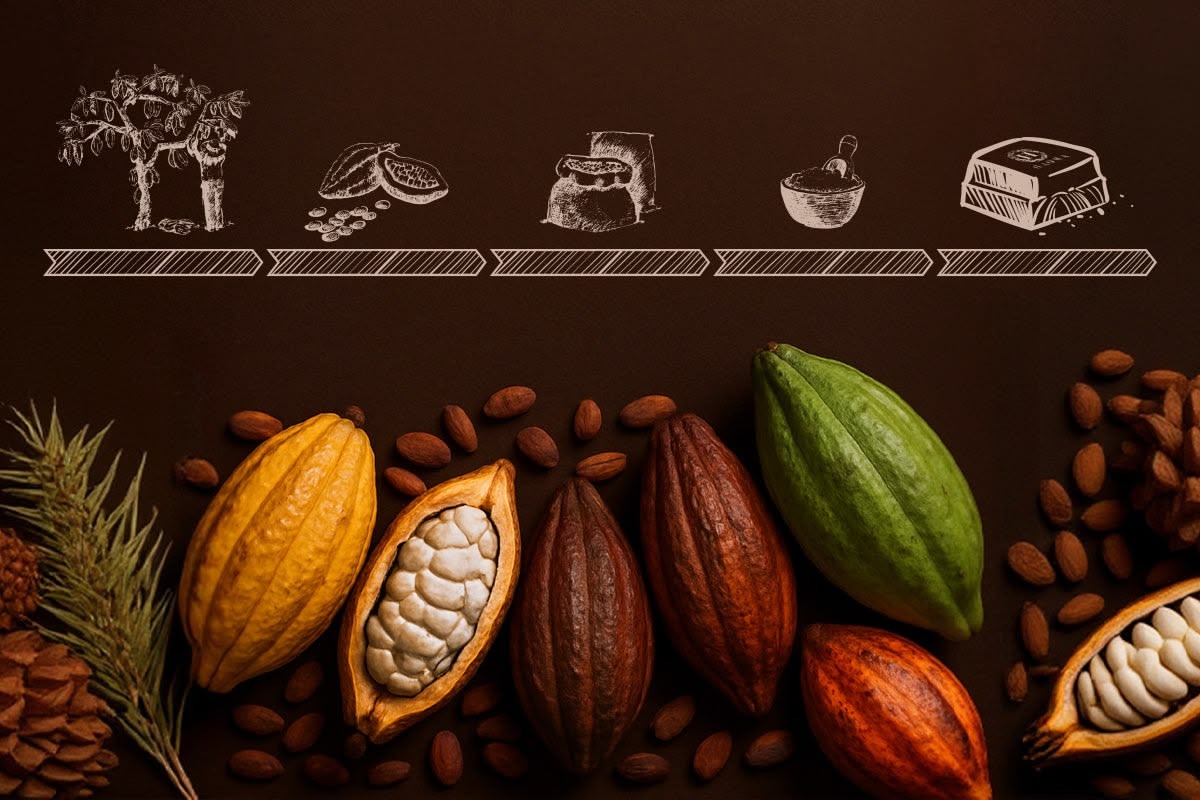
Indonesia is widely recognized as one of the world’s major cocoa-producing countries, yet many international readers are still unfamiliar with the unique characteristics of Cocoa in Indonesia. Located along the equator with fertile volcanic soil and tropical climate conditions, Indonesia offers an ideal environment for cocoa cultivation. Cocoa farming has become an important source of income for millions of local farmers, particularly in regions such as Sulawesi, Sumatra, Papua, East Kalimantan, and parts of Java. Sulawesi alone contributes around 75% of the country’s total cocoa production, making it the heart of Indonesia’s cocoa industry. Unlike several African cocoa-producing nations that rely heavily on large industrial plantations, most cocoa farms in Indonesia are operated by smallholder farmers. This creates a more community-based agricultural ecosystem, where cocoa cultivation directly supports rural livelihoods and regional economies. For foreign buyers, this means that sourcing Cocoa in Indonesia often involves working closely with farmer cooperatives and local processors that maintain strong relationships with farming communities. Indonesia is also known for producing several cocoa bean varieties, including Criollo, Forastero, and Trinitario, each offering different flavor profiles and commercial value. The diversity of Indonesian cocoa creates opportunities for both industrial-scale chocolate manufacturing and premium artisanal chocolate production worldwide.
One of the most attractive aspects of Cocoa in Indonesia for international markets is its transition from raw commodity exports toward higher-value processed cocoa products. In the past, Indonesia mainly exported raw cocoa beans, but over the years the government and private sector have encouraged downstream processing industries to develop locally. Today, Indonesia exports cocoa butter, cocoa powder, cocoa liquor, and other semi-finished cocoa products to countries across Asia, Europe, and North America. This transition has increased the competitiveness of Indonesian cocoa products in global markets while creating more value within the country itself. Indonesian cocoa processors also benefit from strategic geographic access to Asian manufacturing hubs, relatively competitive production costs, and year-round cocoa availability. For foreign importers and chocolate manufacturers, Cocoa in Indonesia offers a balance between supply stability and product diversity. Additionally, Indonesian cocoa is increasingly associated with sustainability initiatives, traceability programs, and improved fermentation practices aimed at meeting international quality standards. Several local producers now focus on premium and fine-flavor cocoa segments that appeal to specialty chocolate brands. Some Indonesian regions, such as Banyuwangi in East Java, have even gained international recognition for producing fine cocoa with distinctive flavor characteristics and premium market value.
The Challenges and Future Opportunities of Cocoa in Indonesia
Although the global demand for Indonesian cocoa continues to grow, the industry still faces several structural challenges that international readers should understand. One of the major concerns affecting Cocoa in Indonesia is the aging condition of many cocoa plantations. A significant number of cocoa trees in Indonesia are old and less productive, resulting in declining yields compared to previous decades. Farmers also face issues related to climate variability, pests, limited farming technology, and inconsistent access to high-quality planting materials. The Indonesian government has attempted to address these problems through rehabilitation and replanting programs designed to improve productivity and sustainability. One large-scale rehabilitation initiative covered hundreds of thousands of hectares of cocoa plantations in an effort to revitalize the industry and increase annual production capacity. For foreign businesses, these conditions present both risks and opportunities. While supply consistency may fluctuate in some regions, there is also significant room for investment, partnerships, and agricultural modernization within the Indonesian cocoa sector. International companies that prioritize long-term sourcing relationships often collaborate directly with Indonesian farmers and processors to improve farming methods, fermentation quality, and environmental practices. As sustainability becomes increasingly important in the global chocolate industry, Indonesia’s cocoa sector is gradually adapting to meet international expectations regarding traceability and ethical sourcing.
Looking ahead, the future of Cocoa in Indonesia remains highly promising because global chocolate consumption continues to increase, especially in Asia-Pacific markets. Rising middle-class populations in countries such as China, India, and Southeast Asia are driving greater demand for chocolate products and cocoa-based ingredients. Indonesia is strategically positioned to benefit from this trend due to its large agricultural workforce, favorable growing conditions, and expanding cocoa processing capacity. In addition, Indonesia’s volcanic soil contributes to cocoa beans with distinctive flavor profiles and relatively low natural acidity, characteristics that are increasingly appreciated in premium chocolate markets. International buyers are also showing growing interest in Indonesian fine-flavor cocoa because it offers alternative sourcing options beyond traditional West African suppliers. With continued investment in farmer education, sustainable agriculture, and processing technology, Cocoa in Indonesia has the potential to strengthen its reputation as both a reliable industrial cocoa supplier and a producer of premium specialty cocoa. For foreign readers and importers, Indonesia represents not only a large cocoa-producing nation, but also a developing origin market with significant long-term growth opportunities in the global cocoa industry.
Looking for cocoa powder or cocoa ingredients from reliable source?
Cocoa Prime are ready to assist. Please contact admin@cocoaprime.com or by whatsapp: +62-881-0104-79948


Cocoa Prime
Committed to bring the finest
Indonesian Cocoa to the world
Copyright © 2026 Cocoa Prime
Contact us:
Jl. Letnan Sutopo, Serpong, Tangerang
PHONE: +62-881-0104-79948